Looney Tunes and Merrie Melodies · every cartoon one click from its official service
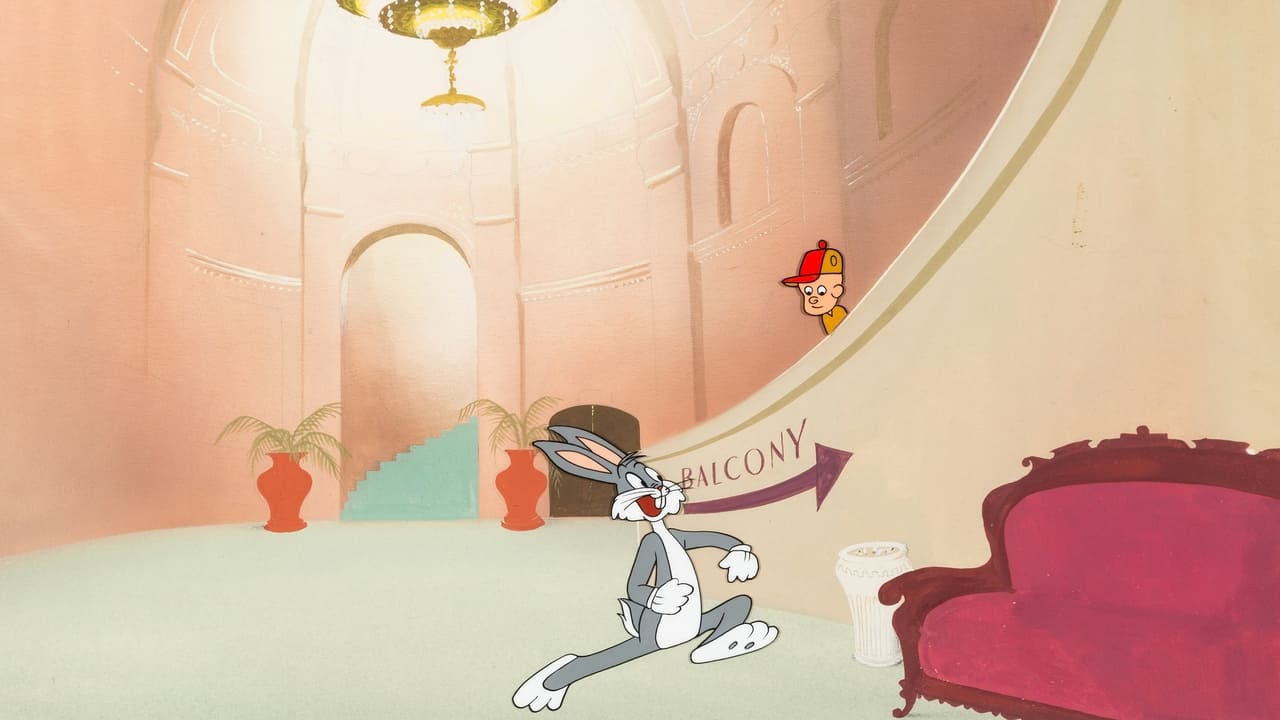
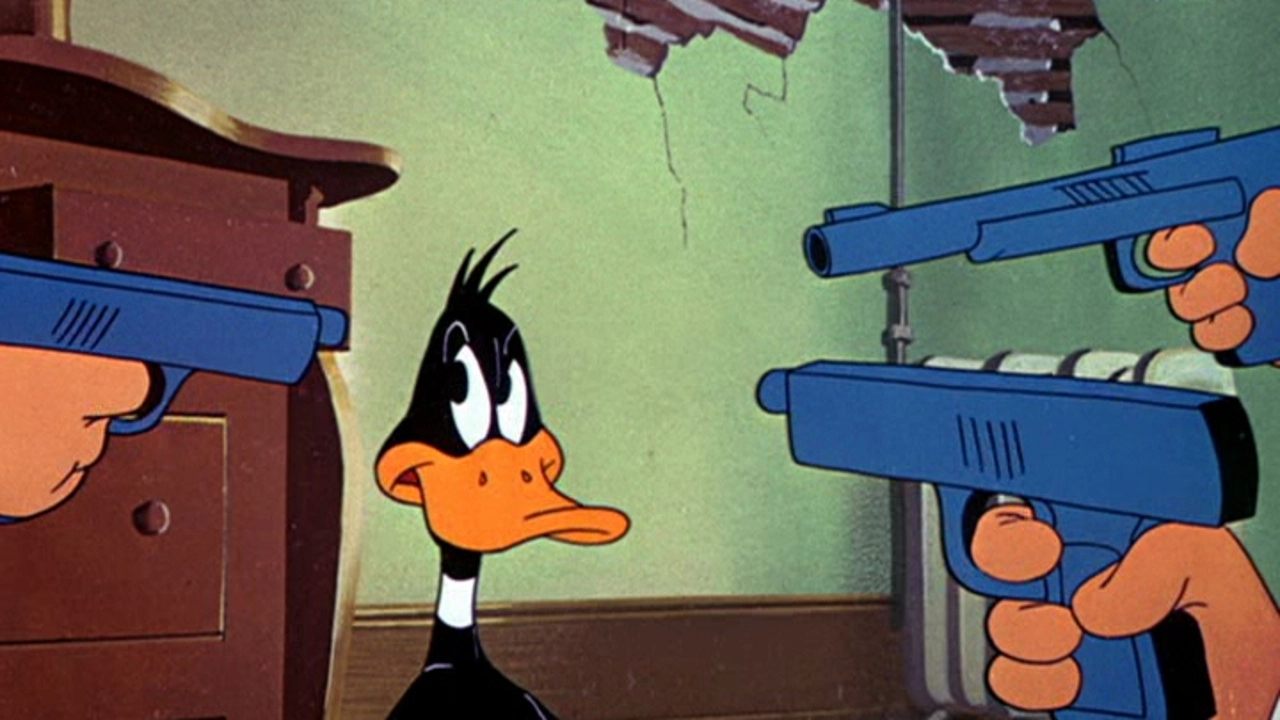

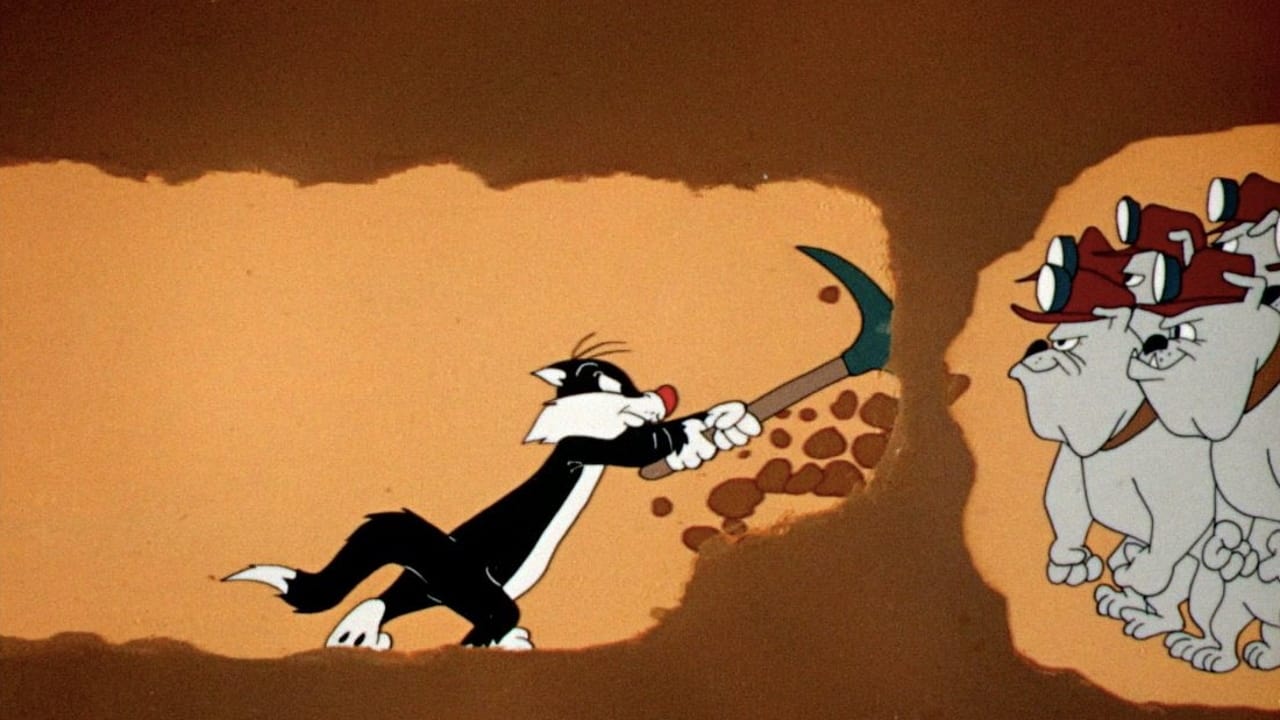
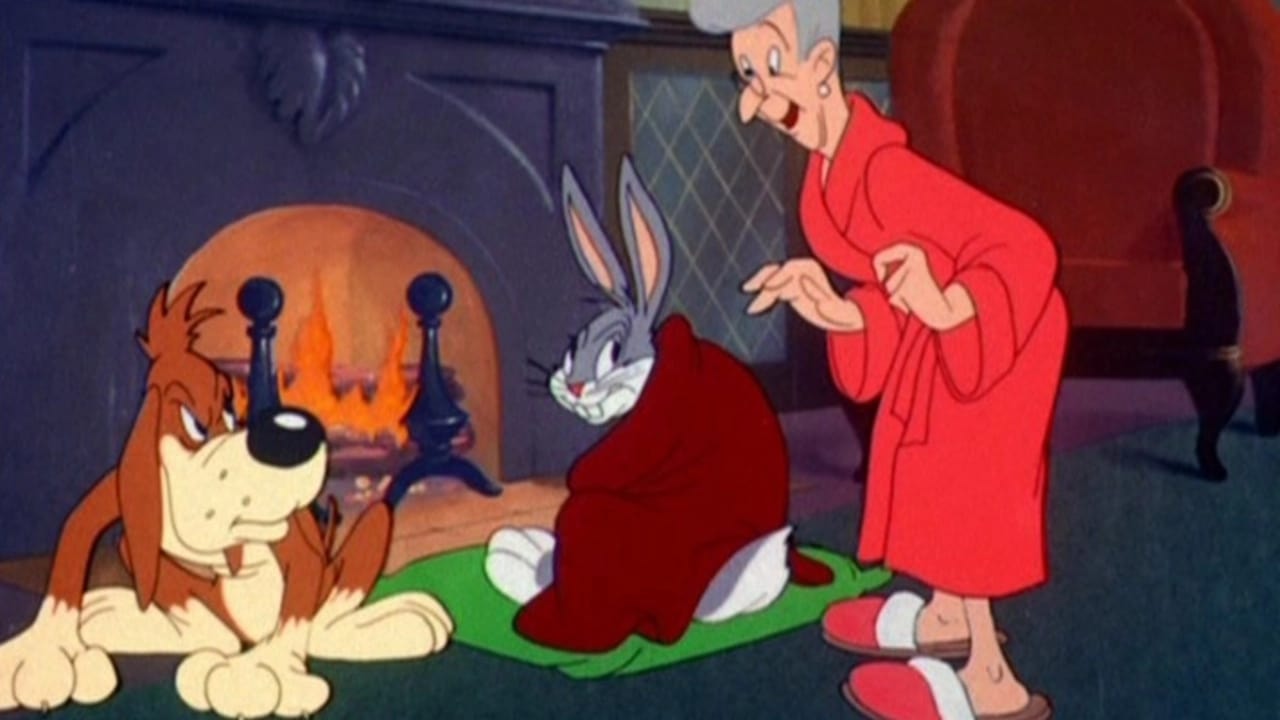
AnimeSaturn: Looney Tunes and Merrie Melodies from 1929 to 1968, from Bosko and Porky Pig to Bugs Bunny, Daffy Duck, Tweety and Sylvester, the Road Runner and Foghorn Leghorn, and where to watch them
507 theatrical cartoons from the Warner Bros. cartoon studio: Bugs Bunny, Daffy Duck, Porky Pig, Tweety and Sylvester, Wile E. Coyote and the Road Runner, Foghorn Leghorn, Elmer Fudd, Yosemite Sam, Bosko, Sniffles and the Goofy Gophers. Search a title and press Watch now.
Featured cartoons
Show more The Merry Old Soul1935 · 7 minSchlesinger
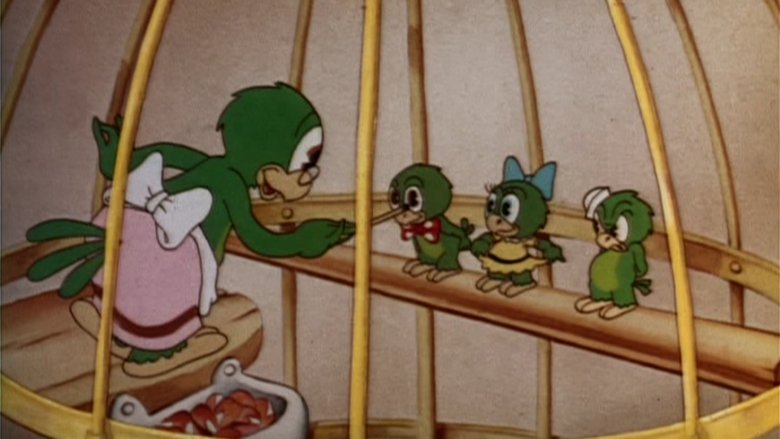 I Wanna Be a Sailor1937 · 7 minSchlesinger
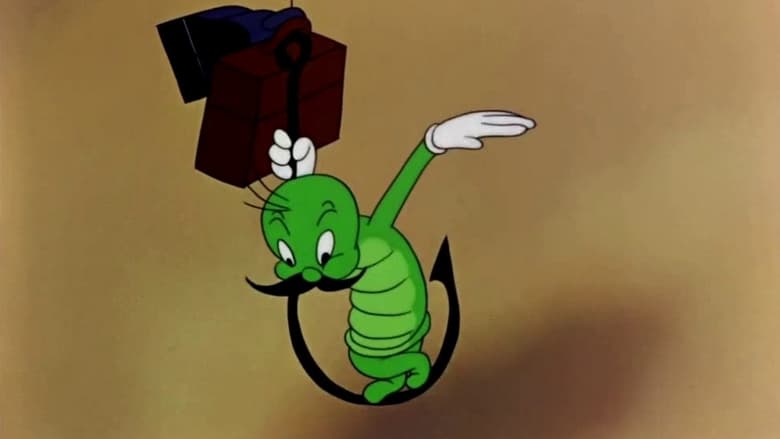 Greetings Bait1943 · 7 minWarner
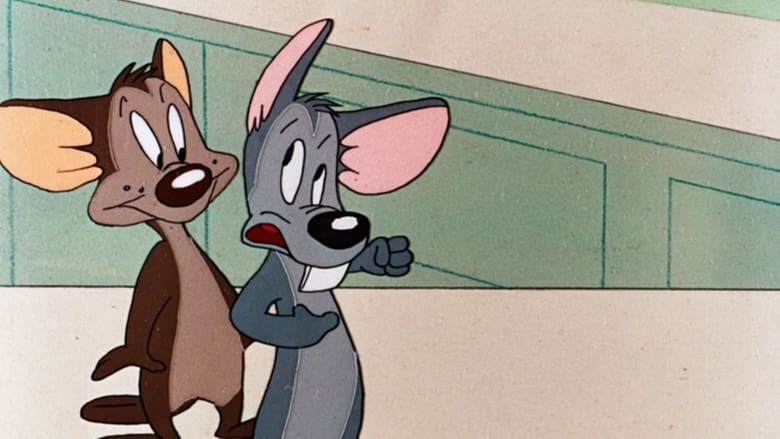 Roughly Squeaking1946 · 7 minWarner
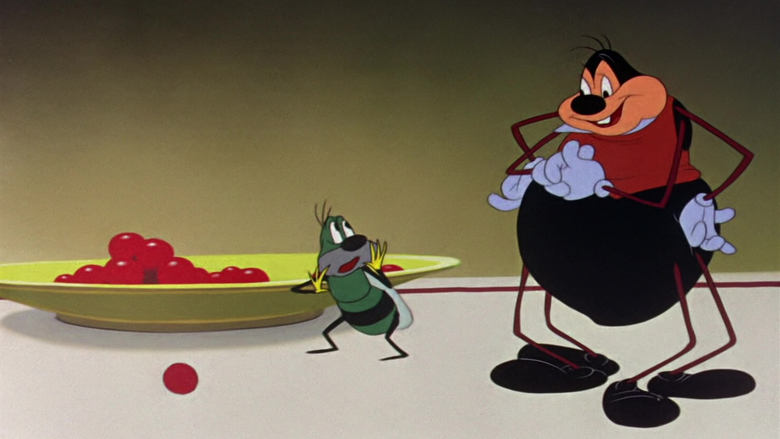 Meatless Flyday1944 · 6 minSchlesinger
 Booby Hatched1944 · 7 minWarner
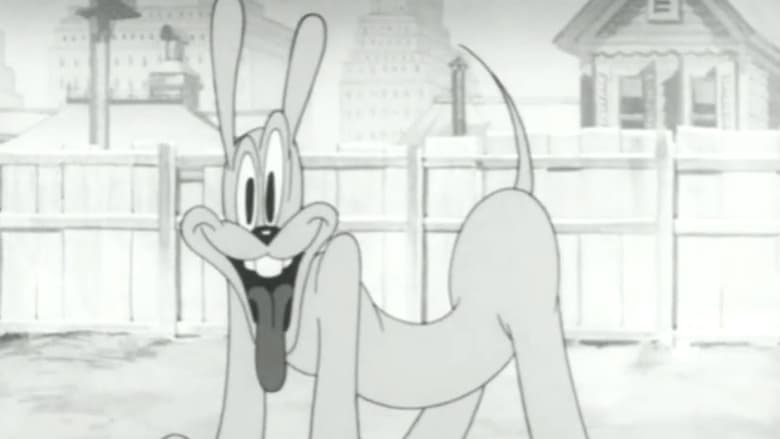 Get Rich Quick Porky1937 · 7 minSchlesinger
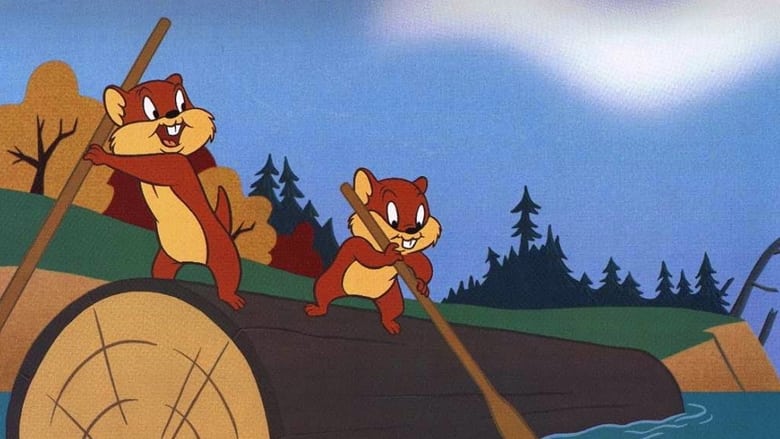 Lumber Jerks1955 · 7 minWarner
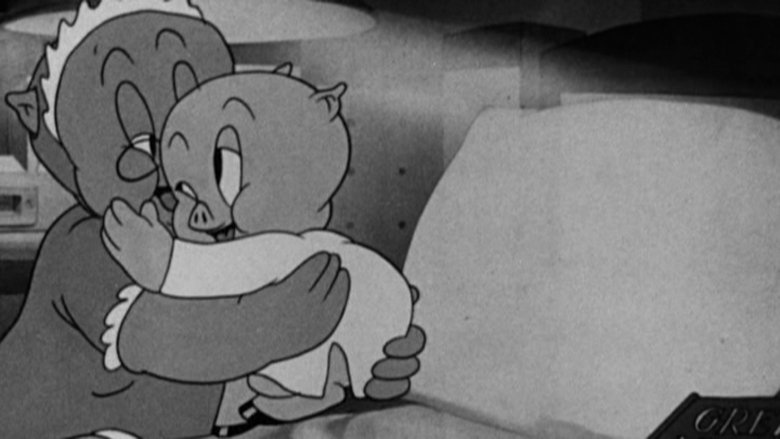 Porky's Hero Agency1937 · 7 minSchlesinger
New additions
Show more

Shelves
Bugs BunnyDaffy DuckPorky PigTweety and SylvesterChuck Jones chasesFoghorn LeghornThe early yearsSupporting starsFairy tales and legends1929 to 1939The 1940sThe 1950sThe 1960sTop rated
Bugs Bunny
Show more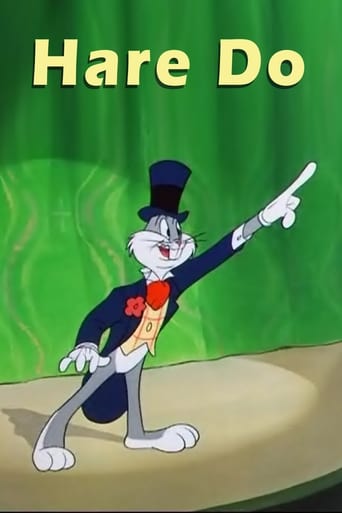
Daffy Duck
Show more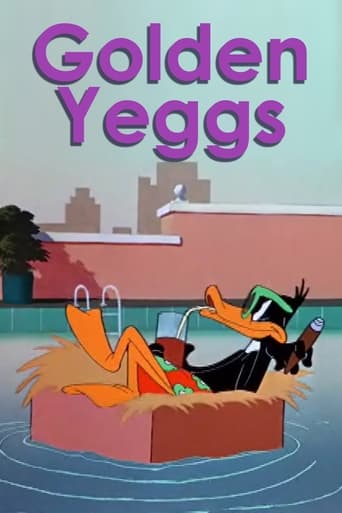
Porky Pig
Show more
Tweety and Sylvester
Show more
Chuck Jones chases
Show more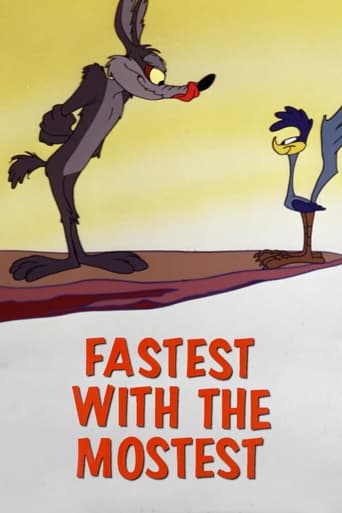
The early years
Show more

Guides
Show more- How to watch with AnimeSaturnFrom the slideshow to the official service.
- Bugs BunnyThe rabbit, Elmer Fudd and Yosemite Sam.
- Daffy Duck and Porky PigThe duck, the pig and their long partnership.
- Tweety and SylvesterThe canary, the cat, Granny and Hippety Hopper.
- Chuck Jones chasesThe Road Runner, the Coyote and the sheepdog.
- Restorations and versionsOriginal prints, colour and sound.
- Foghorn LeghornThe rooster, Henery Hawk and Miss Prissy.
- The early yearsBosko, Buddy and the first Merrie Melodies.
- The official AnimeSaturn siteHow to recognise the real address.
- Is AnimeSaturn working?A quick check and easy fixes.
- Where AnimeSaturn cartoons streamThe official services behind Watch now.
- Apps and devicesPhones, tablets, computers and televisions.
- Watching safelyA short checklist.
- Finding a cartoonSearch tips.
- My ListBuilding your own cartoon show.
AnimeSaturn: Looney Tunes and Merrie Melodies from 1929 to 1968, from Bosko and Porky Pig to Bugs Bunny, Daffy Duck, Tweety and Sylvester, the Road Runner and Foghorn Leghorn
For almost forty years, a small team of artists on the Warner Bros. lot in Hollywood made the funniest cartoons in the world. They began in 1929 with a cheerful little character named Bosko, who sang and danced in black and white. By the end of the thirties they had found Porky Pig and Daffy Duck, by 1940 they had Bugs Bunny, and over the next two decades they added Tweety and Sylvester, Elmer Fudd, Yosemite Sam, Foghorn Leghorn, Wile E. Coyote and the Road Runner and a whole crowd of supporting stars. The studio's two series, Looney Tunes and Merrie Melodies, played before feature films in cinemas everywhere, and they still make audiences laugh today. AnimeSaturn is a guide to that studio: a hand-picked catalogue of 507 theatrical cartoons from 1929 to 1968, with a page for each one and a Watch now button that leads to the official services that carry it.
Here you will find 69 cartoons with Bugs Bunny, 48 with Daffy Duck and 90 with Porky Pig, the studio's first great star. There are 63 cartoons with Tweety, Sylvester, Granny and Hippety Hopper, 20 Chuck Jones chases with Wile E. Coyote, the Road Runner, Ralph Wolf and Sam Sheepdog, and 17 with Foghorn Leghorn, Henery Hawk and Miss Prissy. The early years shelf holds 58 cartoons from 1929 to 1935 with Bosko, Buddy, Goopy Geer and the first Merrie Melodies, the supporting stars shelf holds 40 cartoons with Sniffles, the Goofy Gophers, Hubie and Bertie, Claude Cat, Charlie Dog and the Three Bears, and the fairy tales and legends shelf gathers 32 cartoons with Red Riding Hood, Jack and the Beanstalk, the Pied Piper and Paul Bunyan.
By decade, the catalogue holds 157 cartoons from 1929 to 1939, 165 from the 1940s, 158 from the 1950s and 27 from the 1960s. Together they cover the whole classic era of the Warner Bros. cartoon, from the rubber-hose musicals of the early sound years to the polished, stylish comedies of the fifties and the last shorts made at the studio.
Every page gives the story, the year, the running time and the studio, so you know exactly which cartoon you are about to enjoy. The Watch now button opens the cartoon on JustWatch for the country you choose, where you can see which subscription, rental, purchase and free services carry it. You can save cartoons to My List, which stays in your browser, and build your own cinema programme, one short at a time.
AnimeSaturn is made for everyone who loves a Looney Tune: families sharing their first Bugs Bunny cartoon, students of comedy and animation, collectors of restored prints and anyone who simply needs seven minutes of laughter. The catalogue has been chosen by hand, and the cartoons on it are the cheerful, inventive heart of the studio's work.
This guide explains how the site looks and works, then takes a walk through the history of the studio, star by star and decade by decade, with links to the cartoons along the way. It closes with ideas for programmes, tips for watching today and answers to common questions. As the famous closing card says at the end of every cartoon, that's all, folks, but only once you have watched a few.
How AnimeSaturn looks
AnimeSaturn takes its look from the archived pages of animesaturn.cx, a long-running Italian anime streaming site built on a clean, boxy design. The page is a deep, almost black blue-grey. At the top, a slate navigation bar sits inside a centred column, with a small ringed planet for a logo, a bold wordmark in white and soft lilac, bold uppercase links that glow faintly blue and a dark search field with a slate button, just as on the original site.
Below the bar, the home page is a stack of rounded slate boxes with a soft shadow. The first holds a notice strip in a gradient from cornflower blue to violet, in bold capitals, the same colours the original used for its announcements. The next box holds a wide slideshow of cartoon stills with white captions and thin line indicators beneath them, as the original did for its featured series.
Every section opens with an uppercase title tag in the same blue-to-violet gradient, with a small icon, and an outlined Show more button on the right. The Featured cartoons grid follows the original episode grid: three wide stills per row, each with a dark band across the top carrying the title, a translucent tab at the lower left with the year and running time, and a black tab at the lower right with the studio name, where the original showed the episode number and the language.
The New additions and shelf rows use the original poster cards: six to a row, each poster resting on a slowly moving gradient of coral, pink, blue and violet, with a translucent caption band across the bottom. Point at a card and the picture fades a little, as on the original. Shelf buttons are violet with a darker bottom edge, and the guide pages appear as slate tiles.
At the foot of the page, a slate footer carries the copyright line in muted grey and the main links, and a small planet waits at the lower left corner of the screen to carry you back to the top, a nod to the original's floating planet button. Everything is set in Titillium Web, the clean, slightly technical typeface of the original site. On a phone, the links fold into a menu button, the planet steps aside, the stills sit one to a row and the posters two to a row.
Using the site
There are four easy ways into the catalogue. The first is the search field in the top bar. Type part of a title or the name of a character, such as Bugs, Daffy, Tweety, Porky, Foghorn or Sniffles, and the matching cartoons appear as you type. Search understands short forms and familiar spellings, so Coyote finds the Road Runner cartoons and Sam finds Yosemite Sam.
The second is the home page. The slideshow shows a few favourites, Featured cartoons shows the cartoons most often opened, New additions shows the latest cartoons in the catalogue by release date, and the rows below bring Bugs Bunny, Daffy Duck, Porky Pig, Tweety and Sylvester, the Chuck Jones chases and the early years. Each row has a Show more button that opens the full shelf.
The third is the shelves themselves, reached from the violet buttons on the home page or from the menu. Each shelf lists its cartoons as posters, most popular first, and the decade shelves let you travel from the black-and-white thirties to the sixties. The fourth is the A to Z list, which arranges every cartoon by its first letter.
Every cartoon page follows the same pattern. At the top you will find the poster, the title, the year, the running time and the rating, followed by the story. Below come the directors, the voices and the studio where they are known, and the Watch now panel. Choose your country from the list, press Watch now, and JustWatch opens with the official services that carry the cartoon there, whether that is a subscription service, a free channel with adverts, a digital store or a library service.
My List lives in your own browser. Press the button on any cartoon page to add it, open My List from the menu, and remove a cartoon once you have watched it. You can export the list as a small file and import it on another computer, tablet or phone. A list of six or seven cartoons makes a perfect cinema-style programme, and the ideas later in this guide offer a few to start with.
The early years, 1929 to 1935
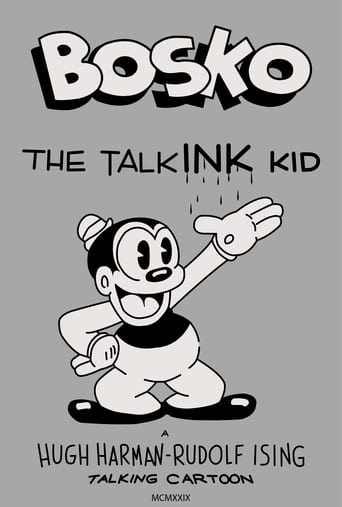
The Warner Bros. cartoons began with two young animators, Hugh Harman and Rudolf Ising, who had worked with Walt Disney in Kansas City. In 1929 they made a short pilot film, Bosko, the Talk-Ink Kid, in which a cartoonist draws a cheerful little character who promptly jumps off the page and starts to talk, sing and dance. The producer Leon Schlesinger sold the idea to Warner Bros., and in 1930 Sinkin' in the Bathtub opened the Looney Tunes series, with Bosko and his sweetheart Honey taking a musical car ride.
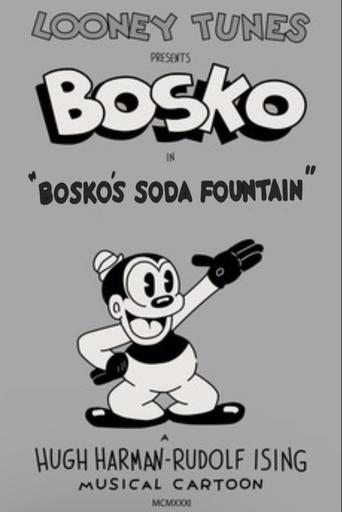
The early Bosko cartoons are pure music. In Congo Jazz, Bosko goes hunting in the jungle and ends up leading a band of animals, in Box Car Blues he rides a runaway boxcar, and in The Tree's Knees he decides to play music instead of cutting down trees, so the whole forest dances along. Bosko's Soda Fountain, Bosko's Fox Hunt, Yodeling Yokels, Bosko at the Zoo, Bosko at the Beach, Bosko's Dog Race and Bosko's Woodland Daze carry the same bouncy charm, and Bosko's Picture Show and Bosko in Person add the first Hollywood parodies.
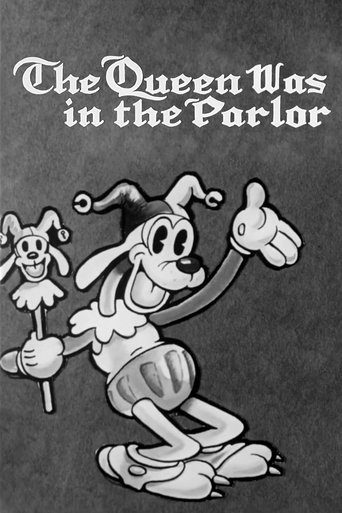
In 1931, Harman and Ising launched a second series, Merrie Melodies, built around songs from the Warner Bros. music catalogue. Each cartoon had to feature a popular tune, and the results are delightful little musicals: A Great Big Bunch of You, in which a mannequin at the city dump builds a piano from junk, Three's a Crowd, in which the characters of famous books come to life, Goopy Geer, with a piano-playing dog, The Queen Was in the Parlor and You're Too Careless with Your Kisses!.
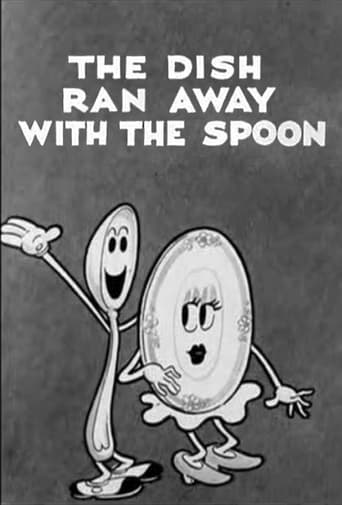
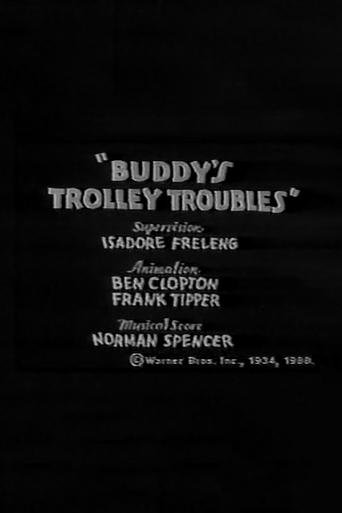
When Harman and Ising left in 1933, Schlesinger built his own studio and introduced a new star, Buddy, a cheerful young man who starred in Buddy's Day Out, Buddy's Show Boat, Buddy's Trolley Troubles and Buddy and Towser. The Merrie Melodies flourished at the same time, now in colour, with toy shops, kitchens and gardens coming to life to the latest songs. The Shanty Where Santy Claus Lives is a warm Christmas fable, We're in the Money sets the toys of a department store dancing, Those Beautiful Dames brings toys to a poor little girl, and The Dish Ran Away with the Spoon, Pettin' in the Park, Honeymoon Hotel, How Do I Know It's Sunday and The Miller's Daughter are full of invention.
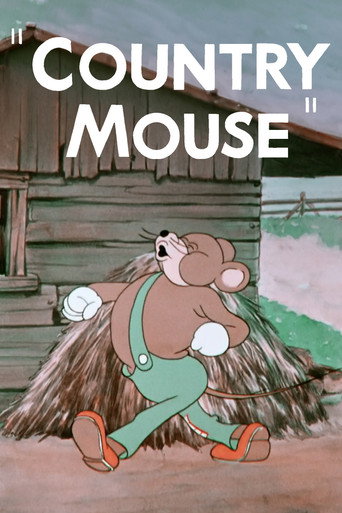
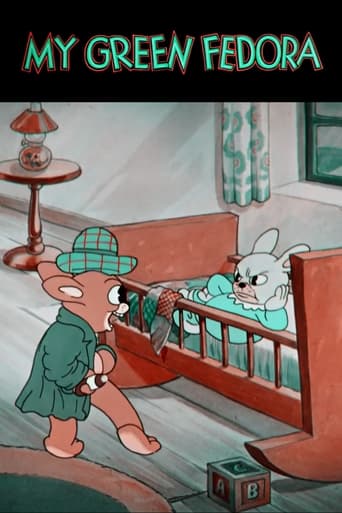
By 1935 the studio was ready for bigger things. The Calico Dragon sends a doll on a quest through a land of patchwork, Country Mouse follows a little boxer, My Green Fedora has a rabbit protecting his baby brother, Flowers for Madame stages a flower pageant, Alias St. Nick has mice outwitting a cat dressed as Santa, and Little Dutch Plate and Mr. and Mrs. Is the Name are as sweet as their titles. The early years shelf gathers 58 cartoons from these first seven years, a treasure chest of music, gags and fresh ideas.
Porky Pig and Termite Terrace
In 1935, the studio found its first real star. Porky Pig was a shy, stammering little pig who first appeared in a school recitation, and audiences took to him at once. The same year, a young director named Tex Avery arrived from Universal and was given a small building on the Warner lot, which the artists nicknamed Termite Terrace. With Avery came Bob Clampett and Chuck Jones, and soon Frank Tashlin and Friz Freleng joined them. Together they turned the gentle musical cartoon into something faster, sharper and much funnier.
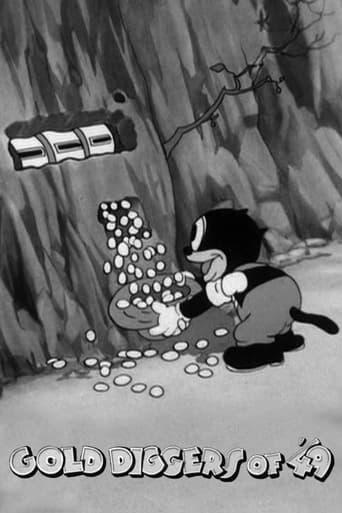
Avery's first Warner cartoon, Gold Diggers of '49, put Porky and Beans the cat into the Gold Rush, and Hollywood Capers sent Beans onto a studio lot full of caricatured stars. Porky soon had a whole world of his own. In Porky the Rain-Maker he saves the farm during a drought, in Milk and Money he works a milk route to pay the mortgage, in Porky's Moving Day he rescues a house from the edge of a cliff, and in Porky in the North Woods he runs a game refuge. Porky's Poultry Plant, Fish Tales and The Village Smithy show the young pig at work.
The year 1937 was a busy one. Porky's Romance introduced Petunia Pig, Porky's Road Race puts him behind the wheel against the film stars of the day, Porky's Railroad makes him the engineer of the most charming train on the line, Porky's Building has him racing to build a city hall, and Porky's Hero Agency sends him dreaming of ancient Greece. Porky's Badtime Story and Porky and Gabby pair him with grumpy friends, and Get Rich Quick Porky, Porky's Garden, Porky's Super Service and Rover's Rival fill out a remarkable year.
Bob Clampett's cartoons gave Porky a looser, livelier style. Porky in Egypt sends him across the desert on a hallucinating camel, Polar Pals sets him dancing with polar bears in the Arctic, Jeepers Creepers makes him a policeman investigating a haunted house, and The Film Fan has him sneaking into a cinema on a free children's day. Porky's Party, Porky's Naughty Nephew, Porky the Fireman, Porky's Poppa, Porky and Teabiscuit, Pied Piper Porky, Porky the Giant Killer and It's an Ill Wind carry on the fun.
By the early forties, Porky was often the calm centre of a cartoon full of wilder characters, and he played that role beautifully. Prehistoric Porky gives him a pet dinosaur, Patient Porky puts him in a hospital, Porky's Last Stand has him running a diner with Daffy, Porky's Preview shows a film he has drawn himself, and Porky's Pooch tells how a clever dog adopted him. The Porky Pig shelf holds 90 cartoons, more than any other star in the catalogue.
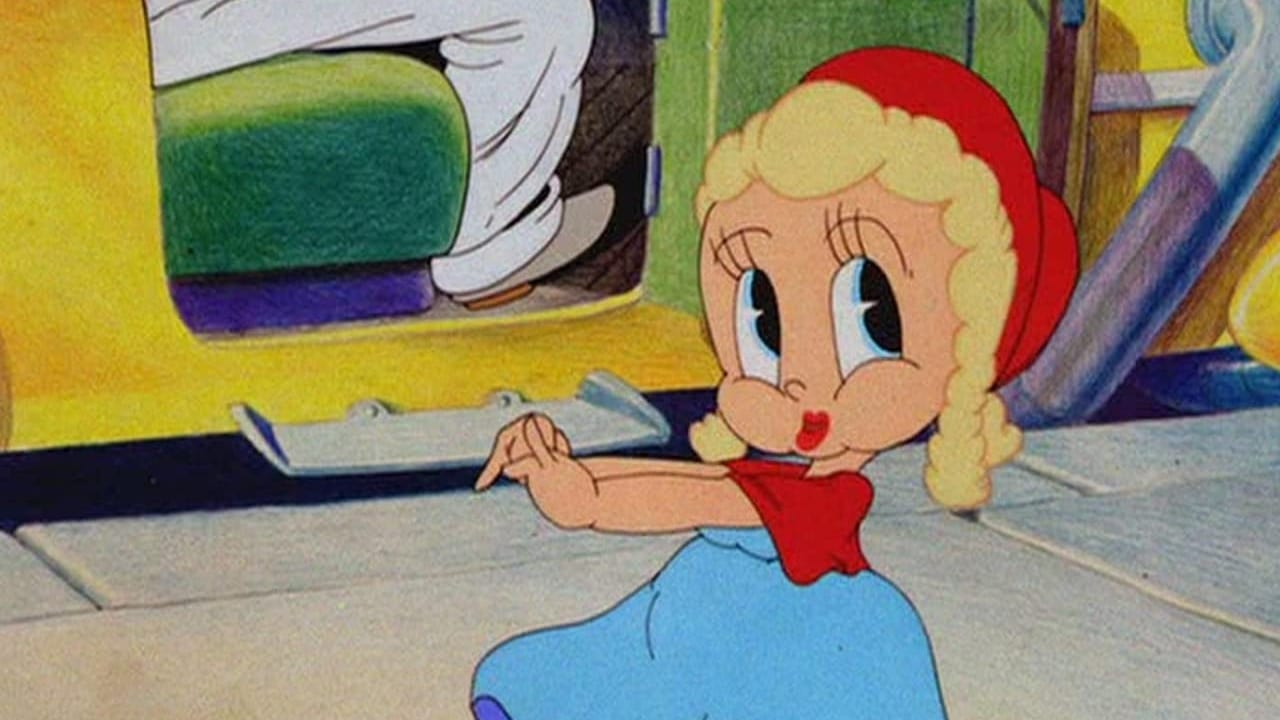
Termite Terrace also produced a long line of witty one-shots. Tex Avery's A Day at the Zoo, Hamateur Night, Detouring America, Circus Today and Cross Country Detours turned travelogues and variety shows into rapid strings of gags, and The Bear's Tale and A Gander at Mother Goose gave fairy tales the same treatment. The Merrie Melodies of the late thirties are often magical: Speaking of the Weather and Have You Got Any Castles bring the covers of magazines and books to life, Katnip Kollege is a swinging college musical, and I Wanna Be a Sailor and Little Red Walking Hood are playful comedies.
Bugs Bunny
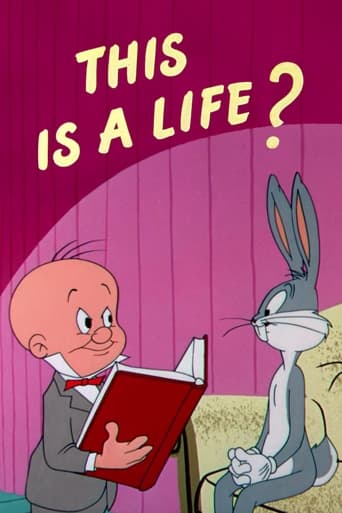
Bugs Bunny grew out of a series of experiments. In Porky's Hare Hunt, from 1938, a manic little rabbit runs rings around Porky, and in Hare-um Scare-um the same character outwits a hunter and his dog. When Tex Avery directed A Wild Hare in 1940, the rabbit gained his calm Brooklyn voice, his carrot and his famous greeting, and he quickly became the most popular cartoon character in America. Mel Blanc gave him his voice, and every director at the studio made him their own.
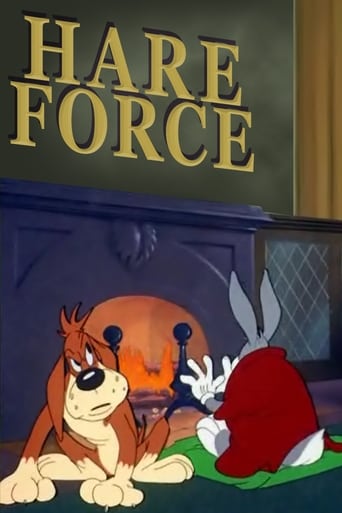
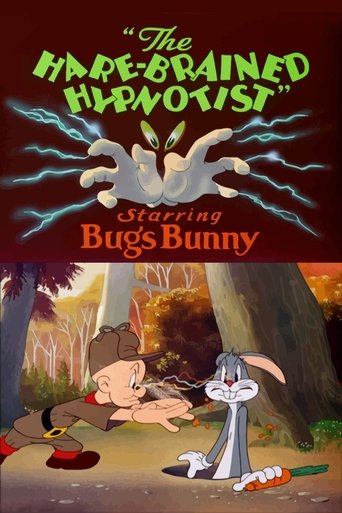
The early Bugs cartoons find him at his most mischievous. In Elmer's Pet Rabbit he becomes Elmer Fudd's pet and takes over the house, in The Heckling Hare he leads a hound named Willoughby on a merry chase, and in The Hare-Brained Hypnotist Elmer tries hypnosis with predictable results. Hare Force finds Bugs snowbound with Granny and her dog, Stage Door Cartoon chases him into a theatre, Buckaroo Bugs makes him a masked bandit of the West, and What's Cookin' Doc? has him campaigning for an Academy Award.
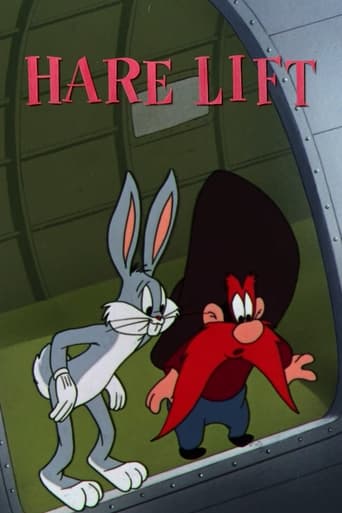
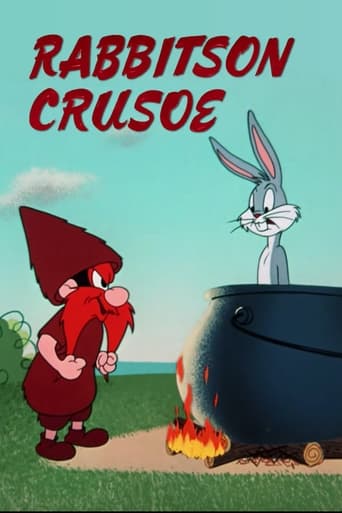
In 1945, Friz Freleng gave Bugs a worthy opponent in Hare Trigger, the first appearance of the tiny, loud and very angry cowboy Yosemite Sam. Sam returned again and again: as a pirate in Captain Hareblower, as a Roman captain in Roman Legion-Hare, as a railroad bandit in Wild and Woolly Hare, as a castaway in Rabbitson Crusoe, as a viking in Prince Violent, and as a duke who must keep his temper to inherit a fortune in From Hare to Heir. Rabbit Every Monday, The Fair Haired Hare, Hare Lift and Piker's Peak continue the feud.
Chuck Jones gave Bugs a sharper wit and a talent for performance. Hare Conditioned has him escaping from a department store, Rabbit Punch puts him in the boxing ring against a champion who keeps changing the rules, and Hare Do, Rebel Rabbit, The Windblown Hare, Mutiny on the Bunny and Bedevilled Rabbit, with the Tasmanian Devil, show the range of the character. Robot Rabbit and Upswept Hare put him against Elmer once more, and Lumber Jack-Rabbit, made in 1953, was the studio's only cartoon filmed in three dimensions, with Bugs wandering into the vegetable garden of Paul Bunyan.
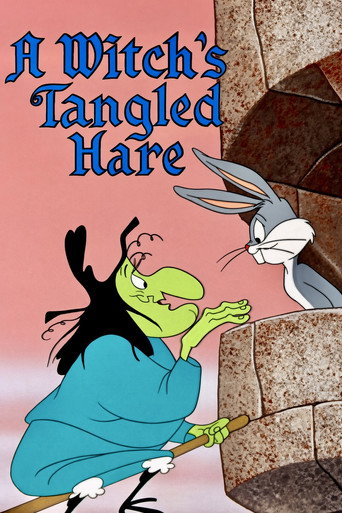
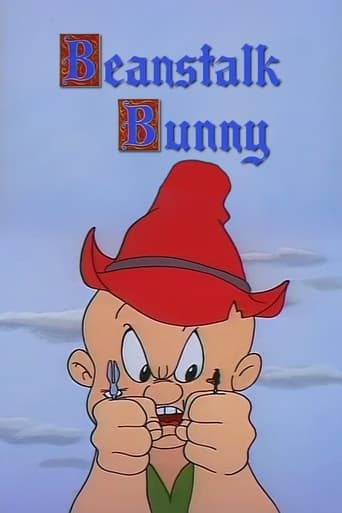
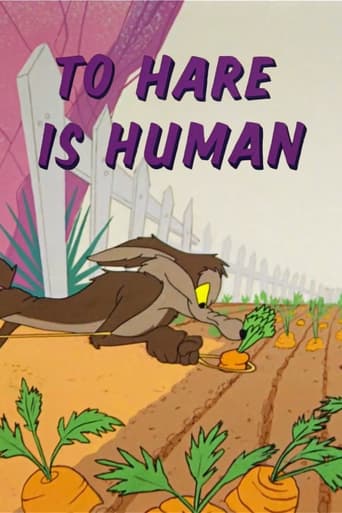
The fifties brought Bugs some of his grandest adventures. In Knight-Mare Hare an apple on the head sends him back to King Arthur's England, in Napoleon Bunny-Part he tunnels into the headquarters of Napoleon, and in Yankee Doodle Bugs he tells his nephew Clyde a very personal history of America. Beanstalk Bunny sends him up the beanstalk with Daffy, To Hare Is Human matches him against Wile E. Coyote and an electronic brain, Hare-Less Wolf has a forgetful wolf on his trail, and A Witch's Tangled Hare makes him the missing ingredient in Witch Hazel's brew.
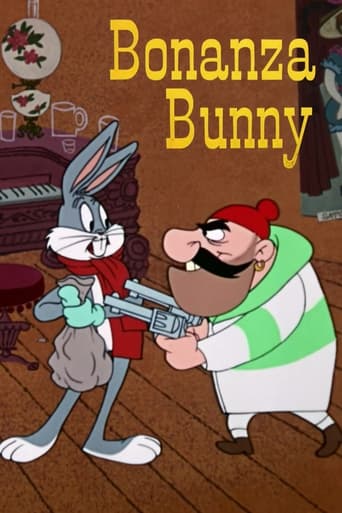
The catalogue holds 69 Bugs Bunny cartoons, from the scrappy rabbit of the early forties to the polished star of the sixties. Hot Cross Bunny, Gorilla My Dreams, The Grey Hounded Hare, Knights Must Fall, Big Top Bunny, French Rarebit, Foxy by Proxy, Rabbit's Kin, The Hasty Hare, with Marvin the Martian, Half-Fare Hare, Wideo Wabbit, Bonanza Bunny, People Are Bunny, Compressed Hare and Wet Hare are all waiting on the shelf.
Daffy Duck
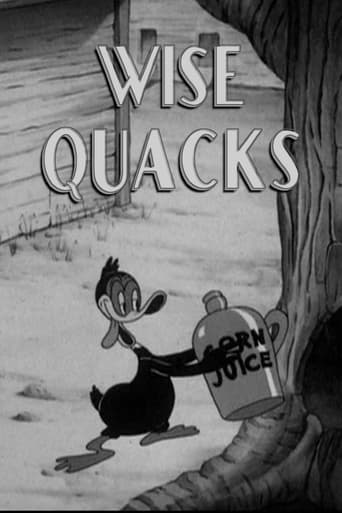
Daffy Duck arrived in 1937 as a completely unhinged little duck who bounced across a lake shouting "Hoo-hoo!" and he was an instant hit. In Daffy Duck & Egghead, Tex Avery set him against a hapless hunter and let the gags fly in every direction, and in Porky & Daffy Porky becomes his fight manager. The Daffy Doc, Wise Quacks, The Henpecked Duck and A Coy Decoy keep the duck at his wildest, bouncing off walls and breaking every rule of the cartoon world.
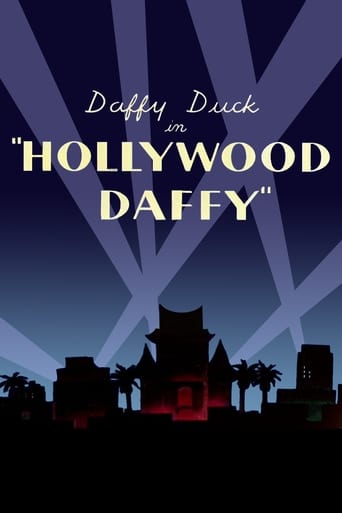
Bob Clampett's Daffy of the forties is a rubbery whirlwind. The Impatient Patient cures his hiccups in the most dramatic way possible, Daffy's Southern Exposure has him outwitting a fox and a weasel in the snow, Tick Tock Tuckered makes him and Porky the sleepiest workers in a factory, and Duck Soup to Nuts shows Porky that Daffy is a most unusual duck. The Stupid Cupid has Elmer Fudd as Cupid himself, and Nasty Quacks, Daffy Doodles and Hollywood Daffy, in which Daffy sneaks onto the studio lot, round out a wonderful decade.
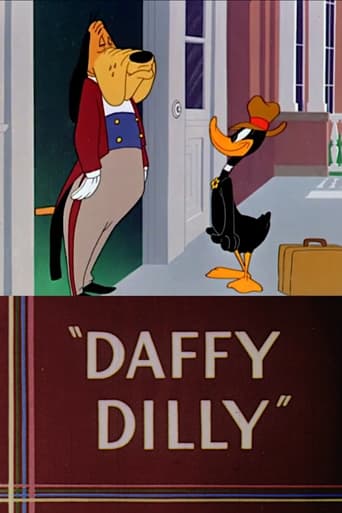
Robert McKimson and Chuck Jones made Daffy greedier, vainer and even funnier. In one 1948 cartoon he disguises himself as a rooster to win a prize at a poultry show, in Daffy Dilly he tries to make a millionaire laugh, in The Up-Standing Sitter he is a babysitter for an egg, and in Riff Raffy Daffy he tries to sleep in a department store with policeman Porky on his trail. Daffy Duck Slept Here makes him the most annoying roommate imaginable, and What Makes Daffy Duck sets a hunter and a fox against each other for his benefit.
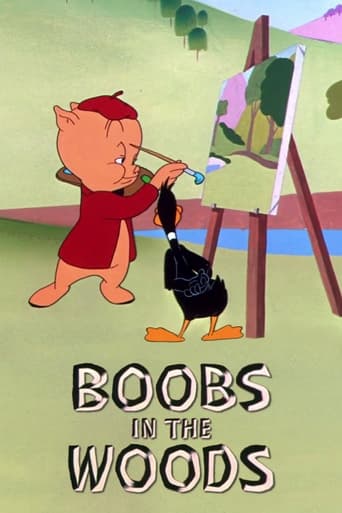
The fifties brought some of Daffy's finest roles. Golden Yeggs makes him the most sought-after duck in the world when a goose lays a golden egg in his name, Boobs in the Woods has him claiming a whole landscape from Porky the painter, Thumb Fun makes him the hitchhiker from hell, and Fool Coverage turns him into an insurance salesman. My Little Duckaroo makes him the masked avenger of the West, Stupor Duck turns him into a caped superhero, Boston Quackie makes him a secret agent in Paris, and Design for Leaving has him modernising Elmer's house with gadgets that work against their owner.
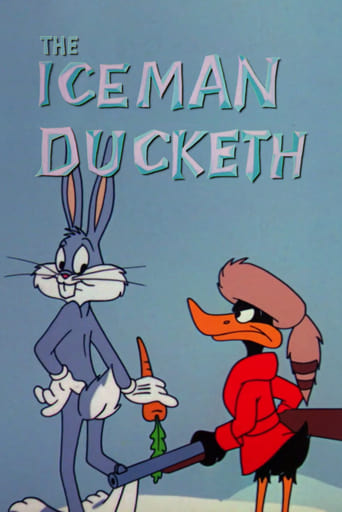
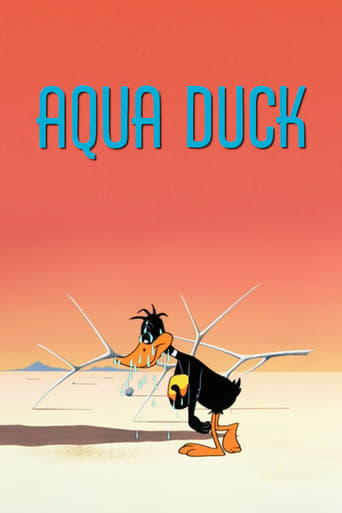
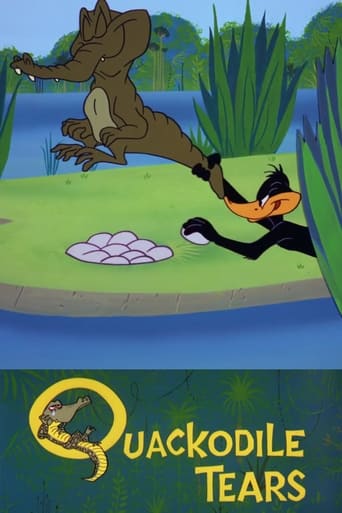
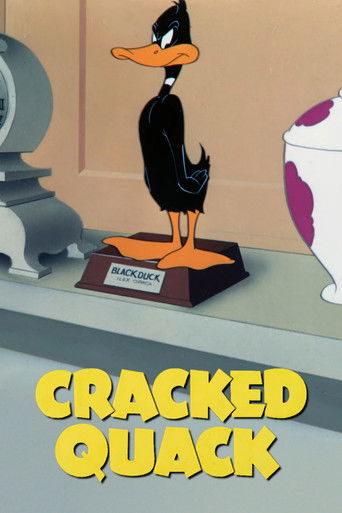
The Daffy Duck shelf holds 48 cartoons. His Bitter Half, The Prize Pest, Cracked Quack, Muscle Tussle, Quack Shot, Dime to Retire, The High and the Flighty, Daffy's Inn Trouble, Quackodile Tears, Aqua Duck and The Iceman Ducketh show how the duck kept finding new ways to get himself into trouble, and how much fun it is to watch him try to get out again.
Tweety, Sylvester and friends
Friz Freleng's cartoons with Tweety and Sylvester are some of the most perfectly timed comedies ever made. Tweety, a tiny yellow canary with enormous eyes, first appeared in Bob Clampett's cartoons of the early forties, and Sylvester, a sloppy black-and-white cat with a lisp, was a Freleng favourite. When Freleng paired them in 1947, the result won an Academy Award, and the two remained partners for nearly twenty years, usually with Granny standing guard with her umbrella.
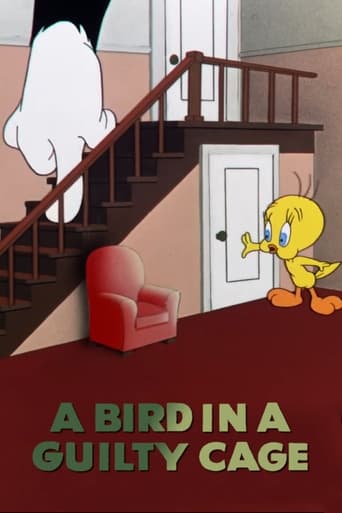
The catalogue holds 63 cartoons with Tweety, Sylvester, Granny and their friends. I Taw a Putty Tat and Bad Ol' Putty Tat set the pattern of the chase, Home, Tweet Home moves it to a city park, and Tweety's S.O.S. takes it to sea, with a seasick Sylvester and Granny keeping watch. Room and Bird sets the chase in a hotel where pets are forbidden, Putty Tat Trouble adds a rival cat in the snow, Tweet Tweet Tweety takes it camping, and A Bird in a Guilty Cage moves it into a department store after hours.
Later favourites include Snow Business, with the two snowbound in a mountain cabin, A Street Cat Named Sylvester, Dog Pounded, Muzzle Tough, Tweety's Circus, Sandy Claws, at the beach, Tugboat Granny, Tweet and Sour, Tweet Zoo and A Pizza Tweety-Pie, which sends the chase through the canals of Venice. Tweety and the Beanstalk lifts Sylvester into the castle of the giant, Red Riding Hoodwinked mixes in the Big Bad Wolf, and The Last Hungry Cat is a clever thriller in the style of Alfred Hitchcock.
Robert McKimson gave Sylvester a second partner and a son. Hippety Hopper, a baby kangaroo whom Sylvester always mistakes for a giant mouse, first bounced in with Hop, Look and Listen, and returned in Pop 'im Pop!, Who's Kitten Who?, Hoppy-Go-Lucky, Cats A-Weigh!, Lighthouse Mouse, Too Hop to Handle and Mouse-Taken Identity. Sylvester Junior, a small and very disappointed kitten, watches his father's failures with growing despair, and the result is one of the warmest running jokes in the studio's history.
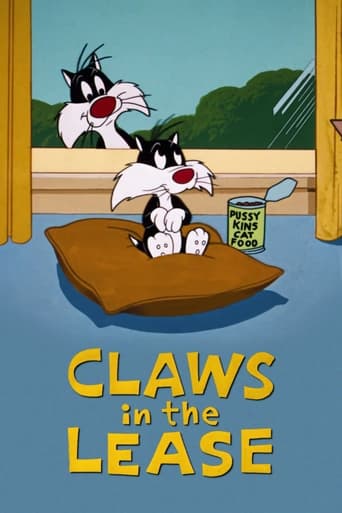
Sylvester also starred on his own. Peck Up Your Troubles pits him against a woodpecker, Doggone Cats and Catch as Cats Can show his early mischief, Kit for Cat has him competing with an orange kitten for a home with Elmer Fudd, Mouse Mazurka dances to folk music, Stooge for a Mouse pits him against his own bulldog friend, and Dr. Jerkyl's Hide gives him a monstrous potion. A Kiddies Kitty, Pappy's Puppy, The Slap-Hoppy Mouse, Cat's Paw, Fish and Slips, Claws in the Lease and Hawaiian Aye Aye complete a delightful shelf.
Chuck Jones chases and Foghorn Leghorn
In 1949, Chuck Jones and the writer Michael Maltese created a simple idea: a hungry coyote chases a speedy bird across the desert, and every plan he makes fails in the most spectacular way. There is barely any dialogue, the rules are strict, and the backgrounds by Maurice Noble are as beautiful as the gags are funny. Wile E. Coyote and the Road Runner became one of the studio's most beloved double acts.
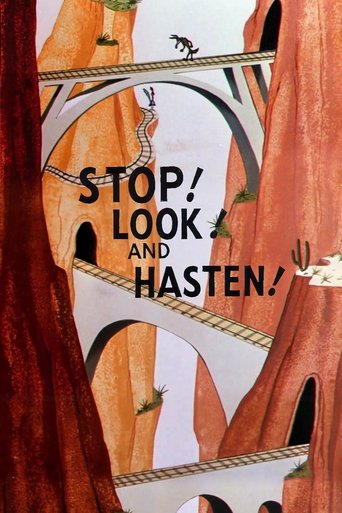
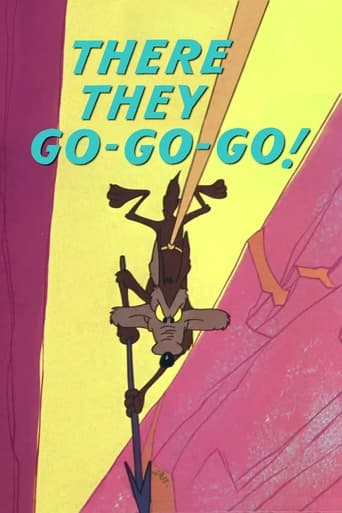
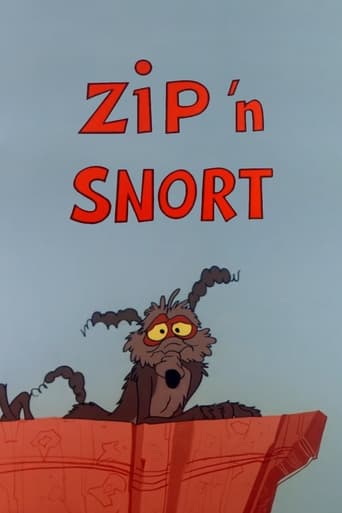
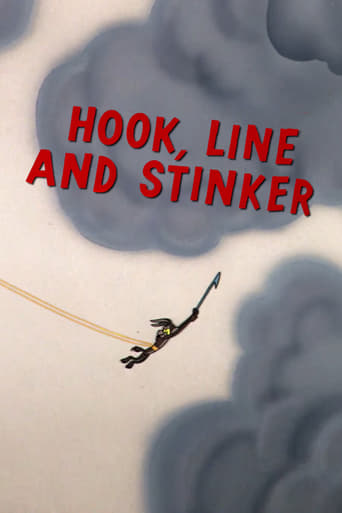
The catalogue holds 20 Chuck Jones chases. Stop! Look! and Hasten! brings a Burmese tiger trap and a box of leg-building vitamins, Ready.. Set.. Zoom! adds glue, a giant rubber band and a very convincing disguise, and Guided Muscle begins with the Coyote cooking a tin can. There They Go-Go-Go!, Scrambled Aches, with its dehydrated boulder, Hook, Line and Stinker, Hip Hip-Hurry!, Whoa, Be-Gone!, Hot-Rod and Reel!, Wild About Hurry, Fastest with the Mostest, Zip 'n Snort and Zoom at the Top each add new inventions from the Acme company.
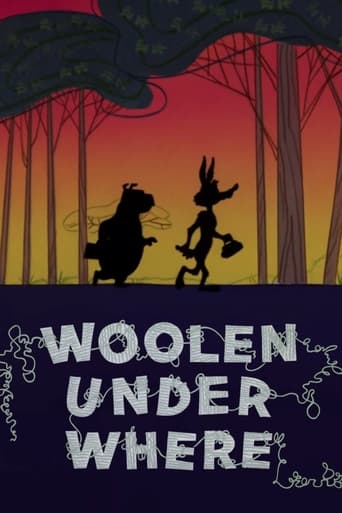
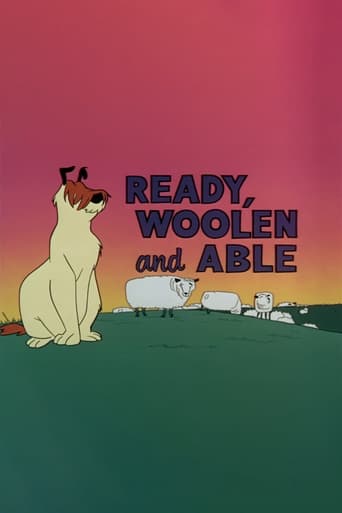
Jones also created Ralph Wolf and Sam Sheepdog, two colleagues who punch a time clock every morning and spend the working day as sworn enemies, Ralph trying to steal sheep and Sam stopping him with one heavy paw. Double or Mutton, Steal Wool, Ready, Woolen and Able, A Sheep in the Deep and Woolen Under Where are clever little comedies about work, rivalry and friendship. Wile E. Coyote also met Bugs Bunny in To Hare Is Human and Compressed Hare, where he introduces himself as a genius.
Robert McKimson's great creation was Foghorn Leghorn, a big, loud Southern rooster who talks from morning to night. Foghorn spends his days playing tricks on the barnyard dog, fending off the tiny chicken hawk Henery, who wants to catch him for dinner, and dodging the marriage plans of Miss Prissy, a shy hen. The catalogue holds 17 Foghorn cartoons. Henhouse Henery, Leghorn Swoggled and All Fowled Up bring Henery's hunt, Lovelorn Leghorn, Of Rice and Hen and Little Boy Boo bring Miss Prissy and her egghead son, and The EGGcited Rooster, Sock a Doodle Do, Plop Goes the Weasel!, Fox-Terror, Weasel While You Work, Feather Bluster and A Broken Leghorn keep the barnyard noisy. Crowing Pains puts Sylvester in the middle of the fun.
Supporting stars and fairy tales
Beyond the big names, the Warner Bros. studio was full of wonderful supporting players, and some of them are the best reasons to explore the catalogue. Chuck Jones created Sniffles, a tiny, talkative mouse, in the late thirties, and Sniffles and the Bookworm, Sniffles Takes a Trip, Bedtime for Sniffles, The Egg Collector, Sniffles Bells the Cat and The Brave Little Bat are gentle, beautifully drawn adventures. Jones also created Hubie and Bertie, two scheming mice who drive cats to distraction in The Aristo-Cat, Roughly Squeaking, House Hunting Mice and Mouse Wreckers.
The Goofy Gophers, Mac and Tosh, are two of the most polite characters in cartoon history, forever thanking each other as they raid vegetable gardens. The Goofy Gophers, Two Gophers from Texas, A Bone for a Bone, I Gopher You, Lumber Jerks, Pests for Guests and Gopher Broke follow their courteous mischief. Charlie Dog, a homeless mutt determined to find a master, adopts Porky in Little Orphan Airedale and Often an Orphan, and the Three Bears, a grumpy father, a sweet mother and their enormous son Junyer, star in What's Brewin', Bruin?, The Bee-Deviled Bruin and Bear Feat.
Other favourites include Claude Cat and Frisky Puppy in Terrier-Stricken, Marc Antony the bulldog in Feline Frame-Up, Beaky Buzzard in The Bashful Buzzard, The Lion's Busy and Strife with Father, the lazy cat Dodsworth in Kiddin' the Kitten and A Peck o' Trouble, and Egghead, the forerunner of Elmer Fudd, in Egghead Rides Again, Count Me Out and Cinderella Meets Fella. Ralph Phillips, a dreamy schoolboy, imagines himself a hero in Boyhood Daze and From A to Z-Z-Z-Z.
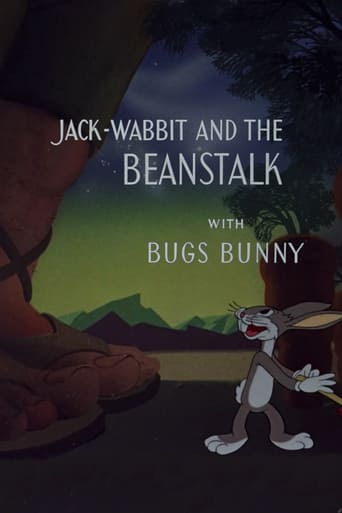
The fairy tales and legends shelf holds 32 cartoons that gave classic stories the Warner treatment. Little Red Walking Hood, The Trial of Mr. Wolf, Little Red Rodent Hood, The Turn-Tale Wolf and Red Riding Hoodwinked retell Red Riding Hood from every possible angle. Jack-Wabbit and the Beanstalk, Beanstalk Bunny and Tweety and the Beanstalk climb the famous beanstalk, Robin Hood Makes Good follows three squirrels playing outlaws, Tom Thumb in Trouble is a tender little adventure, and I Was a Teenage Thumb gives the same tale a sixties twist.
The studio's one-shot cartoons are full of surprises too. Rhapsody in Rivets turns the construction of a skyscraper into a performance of Liszt, Pizzicato Pussycat reveals that the family's piano-playing cat is really a mouse, Now Hear This is a dazzling experiment with sound effects, Nelly's Folly follows a singing giraffe, Rocket-bye Baby swaps an Earth baby with a Martian one, and Horton Hatches the Egg brings Dr. Seuss's faithful elephant to the screen. So Much for So Little, an animated public-health film, won an Academy Award in 1950.
The people behind the laughs
The Warner Bros. cartoons were made by a remarkably small team, and many of the same names appear on cartoon after cartoon. The directors gave each short its personality. Tex Avery brought speed and a love of breaking the rules, Bob Clampett brought rubbery, explosive energy, Frank Tashlin brought the angles and cutting of live-action cinema, Friz Freleng brought perfect musical timing, Chuck Jones brought elegant design and sharp character comedy, and Robert McKimson brought solid draughtsmanship and the loud, likeable Foghorn Leghorn.
Mel Blanc, the man of a thousand voices, spoke for Bugs Bunny, Daffy Duck, Porky Pig, Tweety, Sylvester, Foghorn Leghorn, Yosemite Sam and dozens more, often in the same cartoon. Arthur Q. Bryan gave Elmer Fudd his gentle, puzzled voice, and June Foray and Bea Benaderet played Granny, Witch Hazel and many others. Their performances are a large part of why the characters still feel so alive.
The music was just as important. Carl Stalling, the studio's musical director for more than twenty years, wrote scores that followed every movement on the screen, borrowing freely from the Warner Bros. song catalogue and from classical favourites, and Milt Franklyn carried the tradition into the late fifties. Treg Brown created the sound effects, from the zip of a Road Runner to the clang of an anvil, and the studio's writers, among them Michael Maltese, Warren Foster and Tedd Pierce, wrote the stories and the jokes. Background artists and designers such as Maurice Noble and Hawley Pratt gave the cartoons their unmistakable look.
Many of these artists are credited on the cartoon pages, and searching for a director's name is a good way to discover new favourites. Try a handful of Freleng's cartoons in a row and you will notice his musical rhythm; try a few of Jones's and you will see how much he could say with a single look.
Build your own cartoon show
In the cinemas of the thirties, forties and fifties, a cartoon was part of a whole programme, with a newsreel, a short and a feature. You can build a programme of your own from the catalogue. Here are a few ideas, each one a short line-up that sits happily together.
For a Bugs Bunny evening, start with The Heckling Hare, follow it with Hare Trigger, Rabbit Punch and Knight-Mare Hare, and finish with Bedevilled Rabbit. For a duck and pig double bill, try Porky & Daffy, Daffy Duck Slept Here, Golden Yeggs, Boobs in the Woods and My Little Duckaroo.
For a Saturday-morning feeling, choose I Taw a Putty Tat, Stop! Look! and Hasten!, Henhouse Henery, Steal Wool and The Goofy Gophers. For a musical programme of the early years, pick Sinkin' in the Bathtub, We're in the Money, The Shanty Where Santy Claus Lives, Katnip Kollege and Rhapsody in Rivets. For a storybook afternoon with younger children, try Little Red Walking Hood, Tom Thumb in Trouble, Horton Hatches the Egg, Tweety and the Beanstalk and Bedtime for Sniffles.
Add your choices to My List, export the list for the family tablet, and dim the lights. These cartoons were made to be seen on a big screen with a laughing audience, and they are at their best when shared.
Elmer Fudd, Granny and the human cast
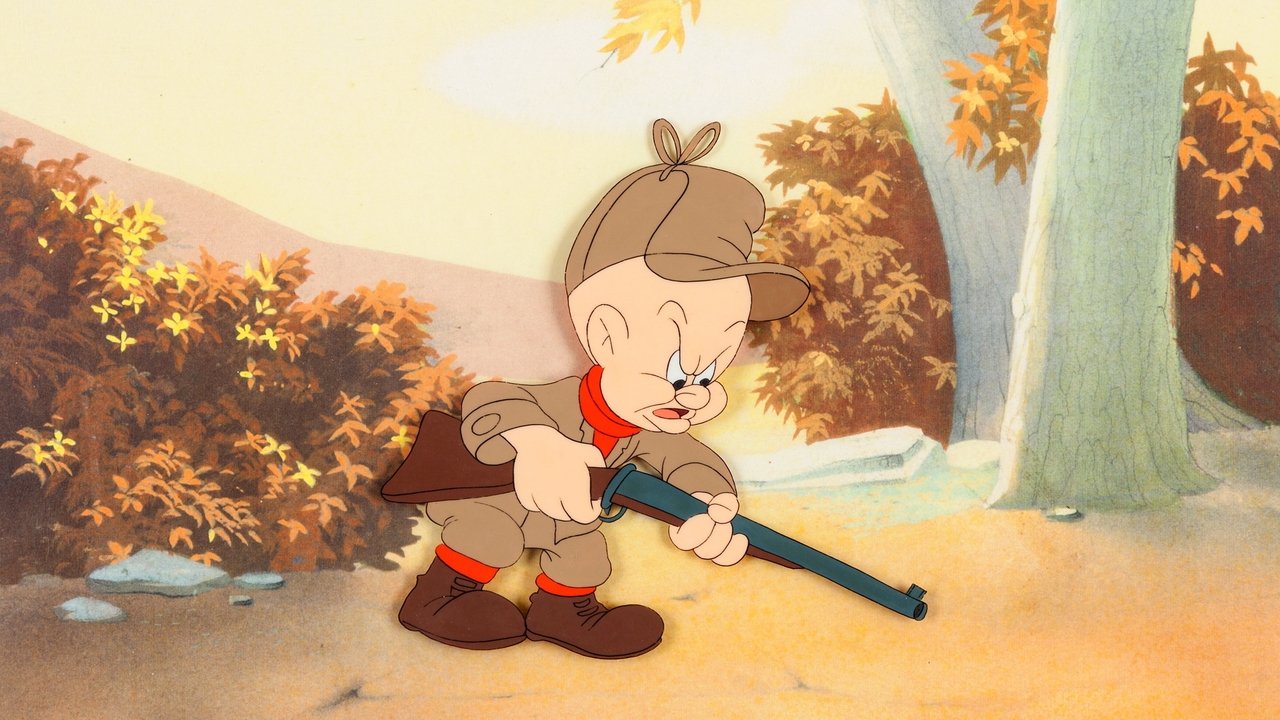
The Warner Bros. stars needed someone to play against, and the studio's human characters are comedians in their own right. Elmer Fudd, the gentle, round-faced hunter with the soft voice, began as Egghead in the late thirties and grew into Bugs Bunny's most patient victim. In Good Night Elmer he spends an entire night fighting a candle that refuses to go out, in An Itch in Time he threatens his scratching dog with a bath, in Hare Remover he tries his hand at science, and in Upswept Hare he brings a desert plant home to his penthouse with an unexpected guest inside. Dog Gone People has him caring for his boss's dog as if it were a person.
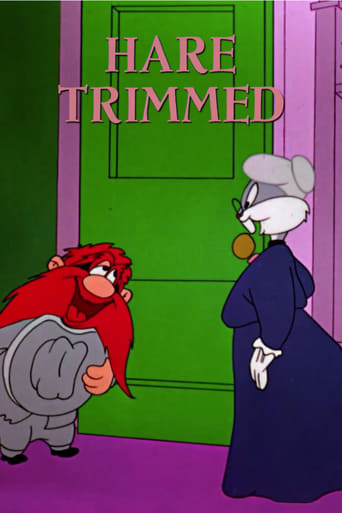
Granny, Tweety's owner, is a sweet old lady with a fearsome umbrella, and she appears with Bugs in Hare Force and Hare Trimmed as well as in dozens of Tweety cartoons. Yosemite Sam, the loudest man in the West, gets his own adventures in Honey's Money, in which he marries a wealthy widow, and in Wet Hare the villain Blacque Jacque Shellacque tries to dam a river.
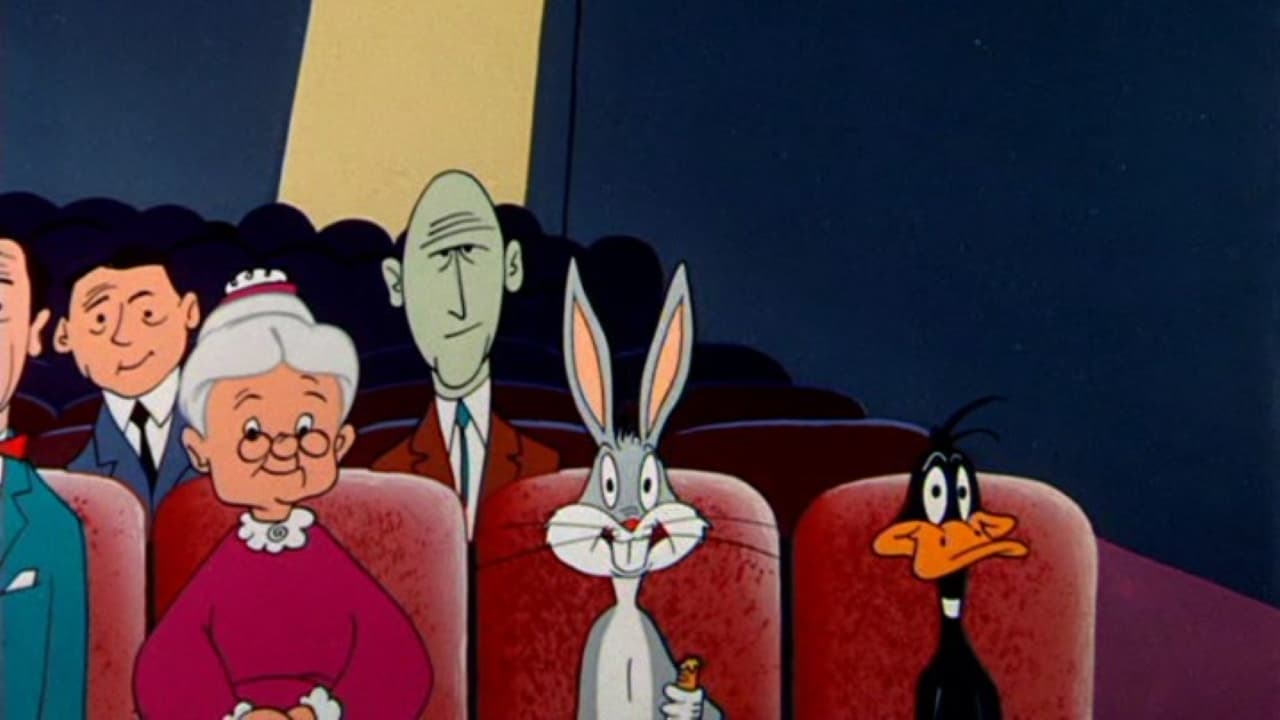
The studio also loved its caricatures of the Hollywood stars of the day. The CooCoo Nut Grove visits a nightclub full of famous faces, She Was an Acrobat's Daughter takes the audience to the movies, Bacall to Arms has a cinema audience reacting to a spoof of a Humphrey Bogart film, and The Honey-Mousers turns the stars of a famous television comedy into a family of mice. Hollywood Daffy and What's Cookin' Doc? go behind the scenes of the film business itself.
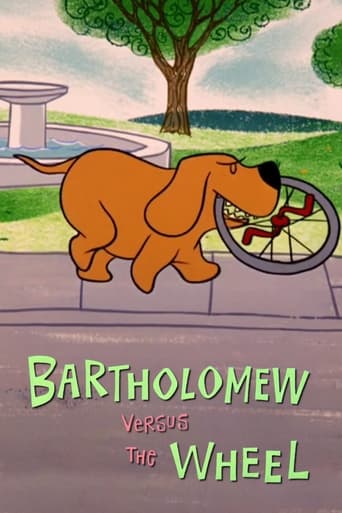
Some of the most charming cartoons in the catalogue feature everyday animals in everyday trouble: The Hep Cat, Hobo Bobo, with a little elephant who wants to join the circus, Go Fly a Kit, with a cat raised by an eagle, Punch Trunk, with a tiny elephant loose in the city, Mixed Master, A Waggily Tale, Dog Tales and Bartholomew Versus the Wheel, a gentle sixties story about a dog who dislikes anything that rolls.
The help pages
A set of fifteen short help pages sits behind the menu for anyone who likes a guided tour. Begin with How to watch with AnimeSaturn, which follows a cartoon from the slideshow to its official service, then read Finding a cartoon for search tips and My List to build a cinema programme of your own.
The star guides introduce the studio's great characters: Bugs Bunny, Daffy Duck and Porky Pig, Tweety and Sylvester, Chuck Jones chases, Foghorn Leghorn and The early years, each with a handful of recommended cartoons and a link to the full shelf.
The practical pages cover Restorations and versions, Apps and devices, Where AnimeSaturn cartoons stream, Watching safely, The official AnimeSaturn site and Is AnimeSaturn working?, so every question has a quick answer close at hand.
Four decades of cartoons
The decade shelves trace the history of the studio. The 157 cartoons from 1929 to 1939 bring Bosko, Buddy, the early Merrie Melodies, the arrival of Porky Pig and Daffy Duck and the birth of Termite Terrace. The 165 cartoons of the 1940s, the largest decade, bring the rise of Bugs Bunny, Bob Clampett's rubbery Daffy, the first Tweety and Sylvester cartoons, Yosemite Sam, Foghorn Leghorn, the Goofy Gophers and Charlie Dog.
The 158 cartoons of the 1950s show the studio at its most polished, with Chuck Jones's Road Runner and sheepdog cartoons, Freleng's Tweety and Sylvester, McKimson's Foghorn Leghorn and Hippety Hopper, and Bugs Bunny's grandest adventures. The 27 cartoons of the 1960s close the era with the last Road Runner chases of the original team, Nelly's singing career, Now Hear This and the final Tweety and Daffy shorts made on the Warner lot.
Watching today
The Warner Bros. cartoons are easier to find than ever. Many have been restored from the original negatives for collections on disc and for streaming services, with bright colour and clean sound, and classic cartoon channels and free services with adverts still show them every day. The early black-and-white Bosko and Buddy cartoons have also been restored, and several are shared by film archives.
Because the Watch now button checks your own country, it is the quickest way to see where a cartoon is available today. Some cartoons appear in several collections, so it is worth checking the list of services before choosing one.
For the best experience, watch the cartoons on the biggest screen you have, with the sound turned up so you can hear Carl Stalling's music and Treg Brown's effects. Mix the decades and the directors in one programme, and you will see how the studio grew from a cheerful music factory into the home of the sharpest comedy in Hollywood.
That's all, folks
For four decades, a small group of artists on the Warner Bros. lot made the world laugh seven minutes at a time. Bosko sang, Porky stammered, Daffy bounced off the walls, Bugs asked what's up, doc, Tweety saw a puddy tat, Foghorn told everyone what he thought, and Wile E. Coyote ordered one more box from Acme. The 507 cartoons on AnimeSaturn gather that world in one place, from the first Looney Tune of 1929 to the last shorts of the sixties.
Search for a title, open a shelf or start with one of the programmes above. Press Watch now, choose your country, and let the cartoons roll. Welcome to AnimeSaturn.
Questions
What is AnimeSaturn?
AnimeSaturn is a guide to 507 Looney Tunes and Merrie Melodies made by the Warner Bros. cartoon studio between 1929 and 1968, with a Watch now button that opens each cartoon on JustWatch for your country.
Which characters are covered?
Bugs Bunny, Daffy Duck, Porky Pig, Tweety, Sylvester, Granny, Elmer Fudd, Yosemite Sam, Foghorn Leghorn, Wile E. Coyote, the Road Runner, Bosko, Buddy, Sniffles, the Goofy Gophers and many more.
How does Watch now work?
Choose your country and press Watch now. JustWatch opens with the subscription, rental, purchase and free services that carry the cartoon where you live.
Are the cartoons in colour?
Most are in Technicolor. The earliest Looney Tunes with Bosko and Buddy, from 1929 to the mid-thirties, were made in black and white.
Is AnimeSaturn suitable for children?
The catalogue is chosen by hand for family viewing, and the guides suggest gentle programmes for younger children.
What is My List?
My List keeps the cartoons you plan to watch in your browser. You can export it to a small file and import it on another device.
Where do the posters and details come from?
Posters, running times and production details come from TMDB. The guides and help pages are written for AnimeSaturn.
Which cartoons should I start with?
Hare Trigger, Golden Yeggs, Tweety's S.O.S., Stop! Look! and Hasten! and Henhouse Henery make a lovely first programme.
Does AnimeSaturn host the cartoons?
AnimeSaturn is a guide. Watch now leads to the official services that carry each cartoon in your country.